Research at the Food, gut and nutritional metabolomics group
Our research group focuses on the phenomena related to food, microbiota, and health. We are keen to understand the molecular players involved when diet affects the microbiota, microbiota modulates the biochemical load entering our body, and eventually links nutrition with health outcomes evidenced by metabolic consequences throughout our tissues. Our goal is to provide a high-resolution characterization of the biochemical space of foods that are epidemiologically proven healthy, such as whole-grain products and other plant-based foods.
We are particularly interested in understanding the relevance of microbial metabolism in this scheme – not only the role of gut microbiota, but also the role of fermenting bacteria that are used in food manufacturing such as sourdough baking, and the potential metabolic connection between food fermenting and gut microbes. Moreover, our research focus extends to the assessment of detailed molecular information obtainable from individual organs upon their exposure to various foods and diets.
Throughout our research, the key analytical approach is the mass spectrometry-based metabolomics technique, which we are extensively exploiting and developing to optimize the pipeline all the way from data acquisition to the actual identification of the metabolites.
Current research projects
MetaFerm
MetaFerm is a consortium project funded by Business Finland involving the University of Turku as the academic partner and Finnish food companies as the industry partners.
HealthFerm
HealthFerm (Innovative pulse and cereal-based food fermentations for human health and sustainable diets) is an EU consortium project focusing on the development and research of sustainable fermented plant-based foods with optimal health benefits for consumers via gut microbiota-related mechanisms. HealthFerm will use newly gained insights alongside microbial resources and fermentation technology to develop novel, healthy and nutritious foods based on legumes (pea and faba bean) and cereals (wheat and oat). More information about the project is available at: https://www.healthferm.eu/
Newplant & Newplant 2
The Newplant project, funded by the Jane and Aatos Erkko Foundation, is a comprehensive study set-up aiming at providing as high resolution as technically possible on the phytochemical composition of various plant-based food products in order to decipher how different technological processing affects it, focusing especially on products that have undergone heavy refinement process (e.g. plant-based burger beef), versus products containing whole-plant ingredients (e.g. pulled oats). Likewise, impact of potentially beneficial processing method in terms of digestibility, nutritional composition and organoleptic properties, namely fermentation, will be analysed on novel plant-based products (e.g. products made from legumes and berries) piloted in the project. The next phase of this project focuses on determining the bi-directional relationship of the various plant-based food products and gut microbiota – how the composition of gut microbiota is altered, and how the microbiota modulates the phytochemical compounds derived from the food products. Finally, the impact of the plant-based food products on human plasma metabolic signatures will be assessed to find any implications related to adverse/beneficial health effect of the different products. The technical core of the project is the multi-approach metabolomics and metagenomics assesment combined with advanced data-analytical solutions.
Plasma Benchmark
Plasma benchmark is a collaboration project between the Chalmers University of Technology, International Agency for Research on Cancer (IARC) in Lyon, France, the University of Eastern Finland, and the University of Turku. The aim of this project is to robustly determine and catalogue the key human plasma metabolites and lipids detectable with typical LC-MS metabolomics approaches and to create a benchmark for a more comprehensive and reproducible way to assess the plasma metabolome in clinical human studies.
SAME
Salivary metabolomics (SAME) is a longitudinal study on free-living human subjects, aimed at deciphering the linkages between salivary metabolome, plasma metabolome, oral microbiome, oral proteome, dietary records, and various other clinical markers and questionnaire data, all collected each month during one year from the volunteers. This pioneering study investigates the potential of saliva, a biofluid that can be collected in a non-intrusive way, in providing predictive biomarkers of health and disease. The project is carried out in collaboration with the Arctic University of Norway (UiT) in Tromsø.

Harmonising and Unifying Blood Metabolomic Analysis Networks (HUMAN)
The HUMAN consortium brings together expertise from different complementary disciplines and sectors to set a research network to train a new generation of scientists in cutting edge metabolomics research and to improve design of experiment and harmonization of analytical and data processing methods. The project combines infrastructure experience, knowledge and skills to identify the source of problems that limit the application of metabolomics in epidemiology level and to investigate the implementation of novel blood microsampling techniques in clinical metabolomics. This project is conducted at Afekta Technologies involving our PhD candidate Dennisse Avella. Please see the project web page for more information: https://human-dn.eu/

HoloGen
HoloGen is a doctoral network Funded by the European Union under Grant Agreement 101169005. It aims to develop new computational and experimental tools for the analysis of hologenomics datasets, understanding fundamentals in the hologenomics field, and applying the hologenomic framework for improving human health and production biology systems. Hologenomics involves the generation and analysis of host genomic and microbial metagenomic data to detect interactions between them and identify the biological impact of such interactions on both hosts and associated microorganism communities. This project is conducted at Afekta Technologies involving our PhD candidate Vu Nguyen. Please see the project web page for more information: https://www.hologen-network.eu/
Earlier research projects
BetMeta
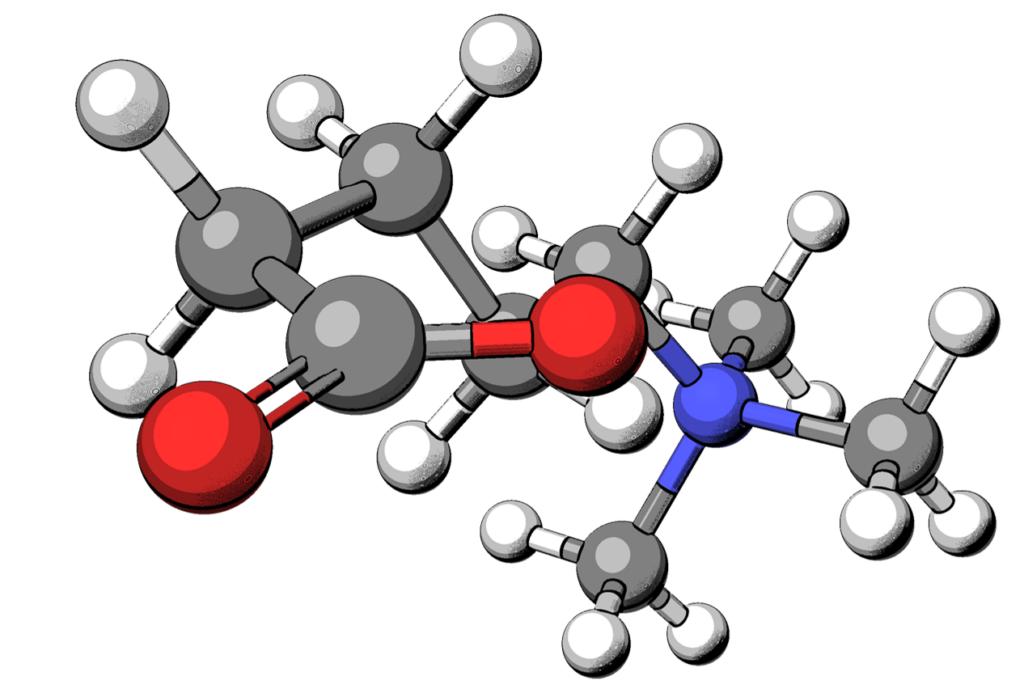
The BetMeta project, funded by the Academy of Finland, revolved around the health effects and metabolic role of betainized compounds. Our research group has recently discovered a connection between betainized compounds and whole grains in clinical human intervention and the study provided us the means to know more. Although the beneficial health effects of whole grains are well characterized, very little is known about the mechanisms and compounds behind the health effects. This project aimed to clarify the metabolic role of betainized compounds related to diet, health, and gut microbiota by utilizing several state-of-the-art methods and analytical technologies.

3D’omics
3D’omics was a large consortium project funded by the Horizon2020 program of the European Commission and coordinated by the University of Copenhagen. The aim of this research project was to utilize several omics technologies, including metabolomics, to decipher host–microbiota interactions in production animals to increase their health, welfare and productivity. The multi-omics approach allowed us to build accurate reconstructions of the intestinal host–microbiota ecosystems and assess the three-dimensional conformation of the metabolites. This project was conducted at Afekta Technologies involving Topi Meuronen from our research team. Read more at https://www.3domics.eu/

Gut2Behave (2020–2023)
The ERA-NET NEURON 2019–funded research project aimed to propose biomarkers involved in gut-brain axis to control emotional and cognitive functions to better stratify patients and to design innovative treatment of alcohol dependence. Our role was to search for potential neuroactive metabolites produced by gut microbiota and/or the host. For this, we employed untargeted metabolomics approaches on a number of carefully selected biological samples from several existing cohorts of various patient groups and animal trials. The Gut2Behave project innovated in the scientific rationale and health care for psychiatric diseases that require personalized approach. Read more at https://www.gut2behave.eu